Mining costs in parts of the US have climbed past $100,000 for a single bitcoin, pushing operators to pack up and move. Paraguay and Ethiopia have emerged as top destinations, both offering surplus hydroelectric power that keeps electricity bills low.
According to crypto exchange KuCoin, the shift is already underway, with hash rate actively migrating toward what analysts are calling the “Global South.”
That geographic spread, KuCoin argues, actually strengthens the Bitcoin network by reducing its exposure to any one country’s political or energy shocks.
It is a different kind of decentralization — not the kind Satoshi Nakamoto imagined, but decentralization just the same.
The Opposite Paths Of Two Technologies
While Bitcoin mining grows more concentrated in terms of hardware and industrial scale, artificial intelligence may be moving the other way.
Alex Thorn, head of research at Galaxy, made that case on Sunday, pointing out that AI started its life in massive, corporate-controlled data centers.
bitcoin mining began decentralized (CPUs, GPUs) and became centralized (ASICs, industrial-scale farms)
AI may follow the opposite path: it started centralized in giant hosted clusters, but as frontier model gains slow (from data scarcity, context limits, and memory bottlenecks)… pic.twitter.com/J2indQsTt8
— Alex Thorn (@intangiblecoins) April 12, 2026
Now, as frontier models run into constraints — data scarcity, memory limits, context bottlenecks — open-source alternatives are gaining ground. Smaller models are getting cheaper and more capable. Some already run directly on phones and laptops.
“If local models keep getting smaller, cheaper, and more efficient, AI may become increasingly personal and on-device,” Thorn said.
Bitcoin mining started the opposite way. Ordinary people once mined coins from home computers. That era is long gone.
Today, mining requires either specialized ASIC hardware or access to an industrial-scale facility. The gap between a casual participant and a serious miner has never been wider.
A $119 Billion Market Taking Shape
The push toward on-device AI processing has a name: edge computing. It refers to running AI models locally — on the device itself — rather than routing data to a remote server.
Data shows the global edge AI market was valued at roughly $25 billion in 2025. Based on projections from Grand View Research, that figure is expected to reach close to $120 billion by 2033, a jump of nearly 300% over eight years.
The growth is being driven by the spread of connected devices, demand for real-time processing, and growing concern over data privacy. Industries that cannot afford delays — manufacturing, healthcare, logistics — are among those pushing adoption forward.
For Bitcoin, the concern runs in the other direction. Increasing concentration of mining power raises questions about long-term network security.
A network where just a handful of large players control most of the hash rate is more vulnerable to disruption than one spread across thousands of independent operators.
Geographically, the migration away from the US may ease some of that pressure. Whether it is enough remains an open question.
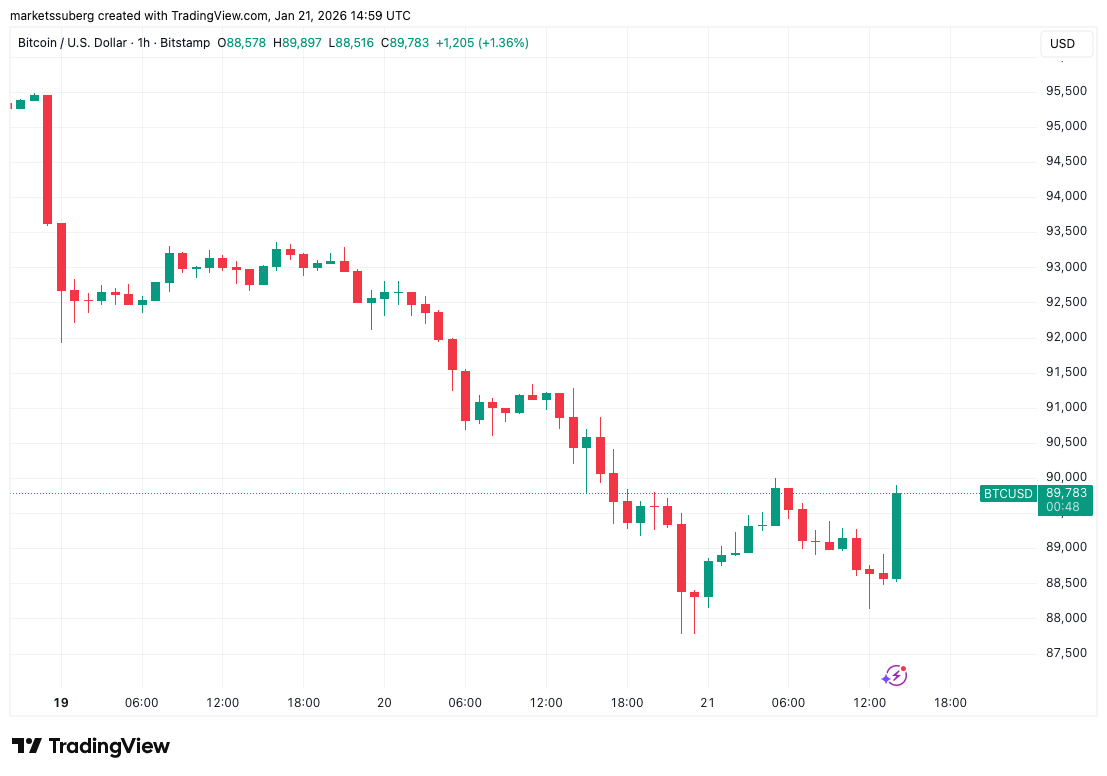
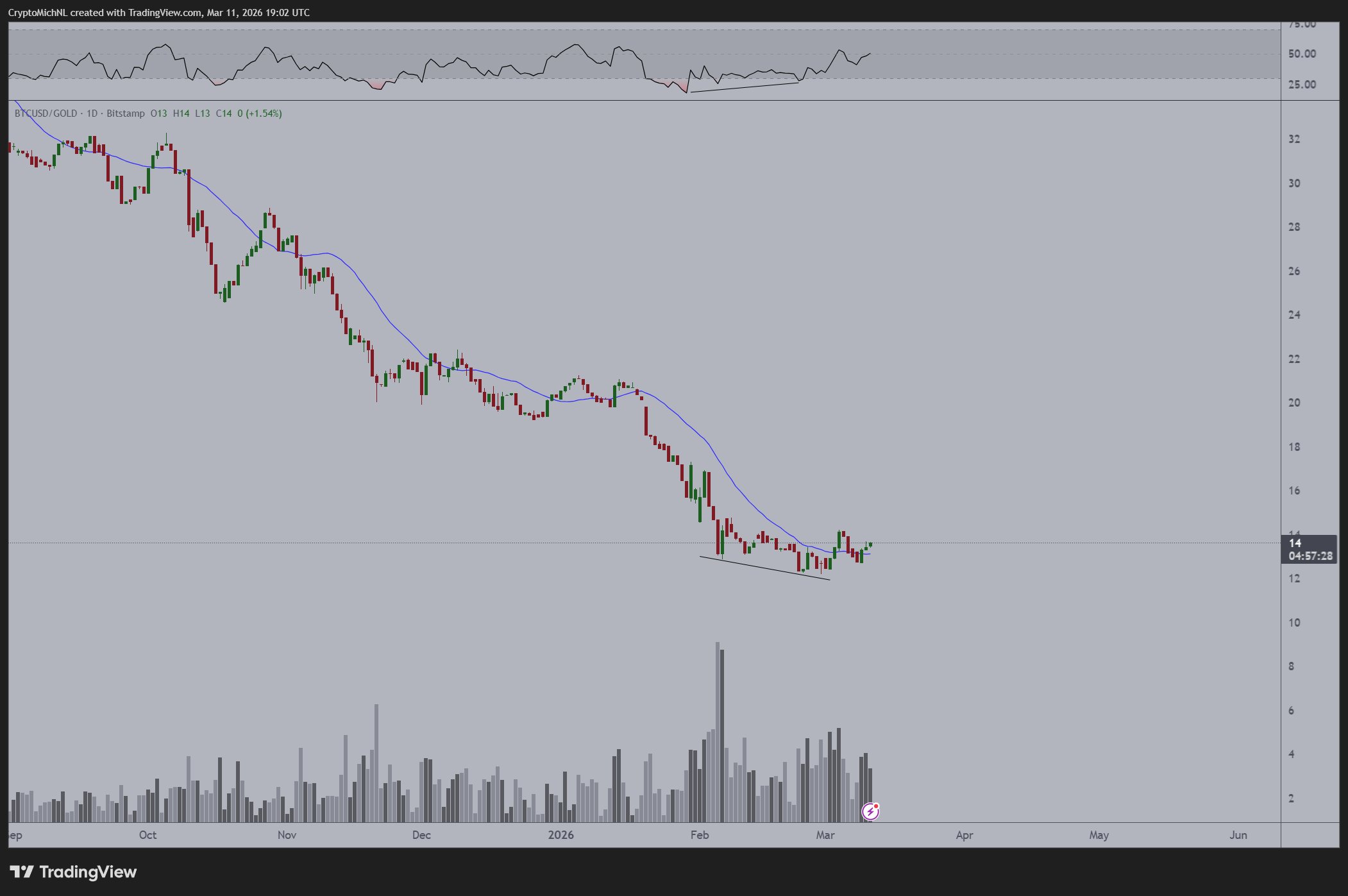
Featured image from Unsplash, chart from TradingView
Editorial Process for bitcoinist is centered on delivering thoroughly researched, accurate, and unbiased content. We uphold strict sourcing standards, and each page undergoes diligent review by our team of top technology experts and seasoned editors. This process ensures the integrity, relevance, and value of our content for our readers.